%2Ffit-in%2F250x250%2Fguide_websites%2F600%2Fimages%2Flarrymillerlogo_v14.png&w=1920&q=100)
Fishin All The Time Guide Service Fishing Charter
Port Aransas Inshore Fishing Charter with Larry Miller
4.8

4 Reviews
- 5
 75%
75% - 425%
- 3
 0%
0% - 20%
- 10%
%2F%2Fusers%2F0e2a5436-7ece-4c1f-a067-17a977f9f68d%2Fimages%2Ffish-cooler-ice-boat-deck-4012.png&w=1920&q=75)
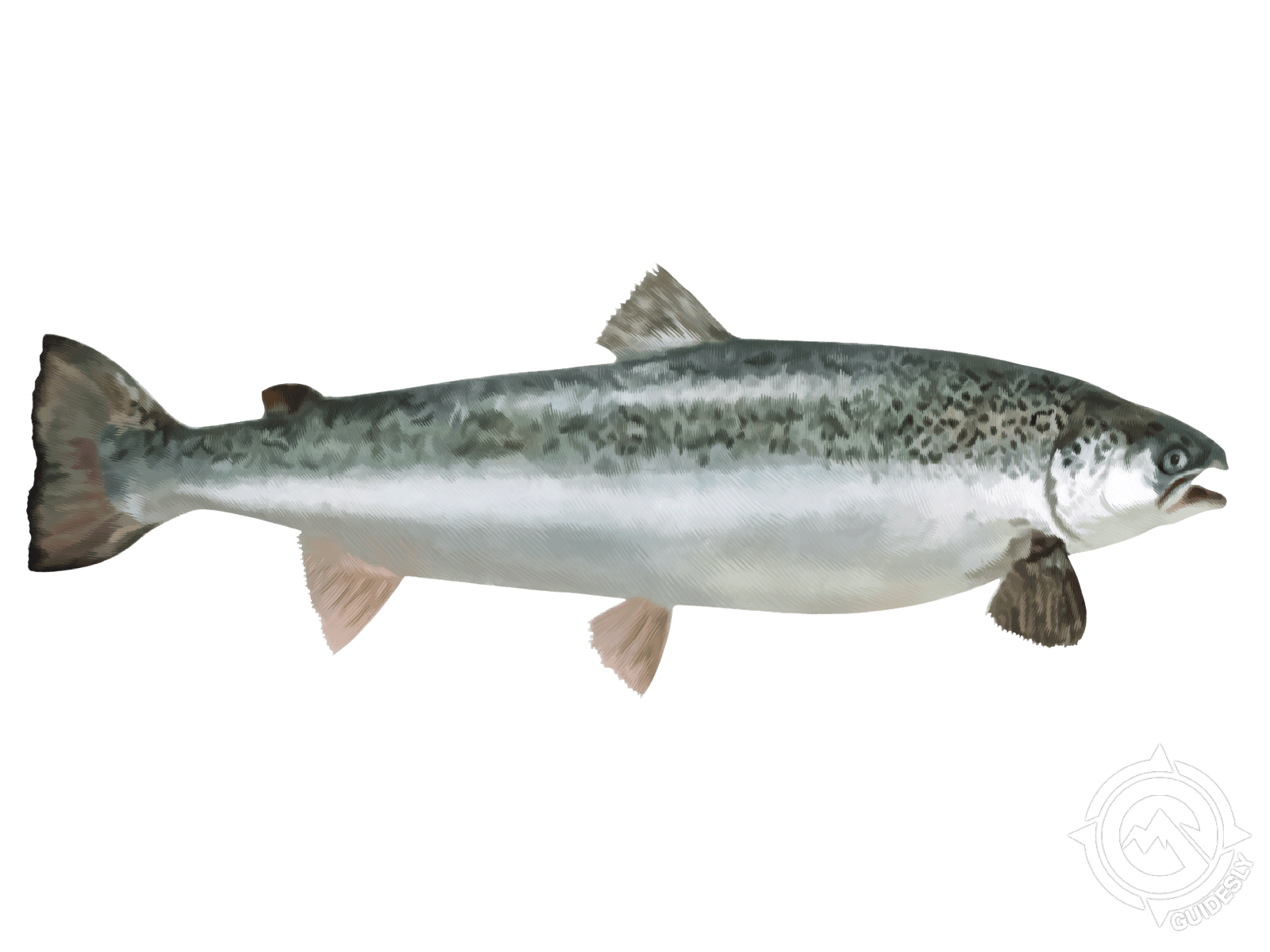
The Shorthead Redhorse (Moxostoma macrolepidotum) is a member of the sucker family Catostomidae and belongs to the order Cypriniformes. This freshwater fish is commonly found in rivers, streams, and lakes throughout its range. They prefer clear, flowing water with rocky or gravelly bottoms. - Typical size ranges from 9 to 30 inches in length. - Weight typically falls between 1 and 5 pounds. - Distinctive reddish-orange paired fins and red forked tail. - Bottom-feeders with downward-pointing fleshy mouths.
Fishing Charter by Captain Larry Miller in December
- Rockport & Port Aransas Fishing Charters


Summary
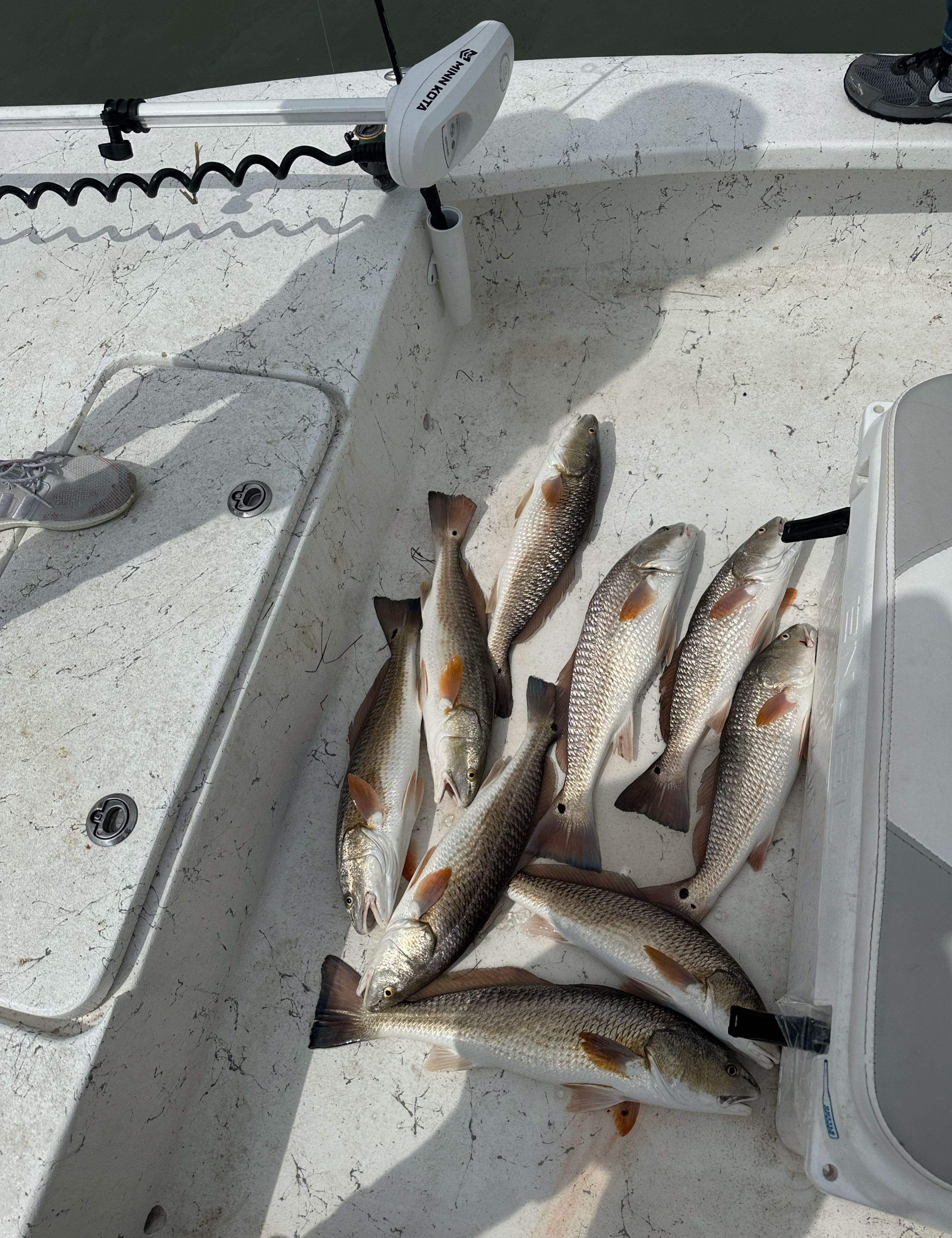
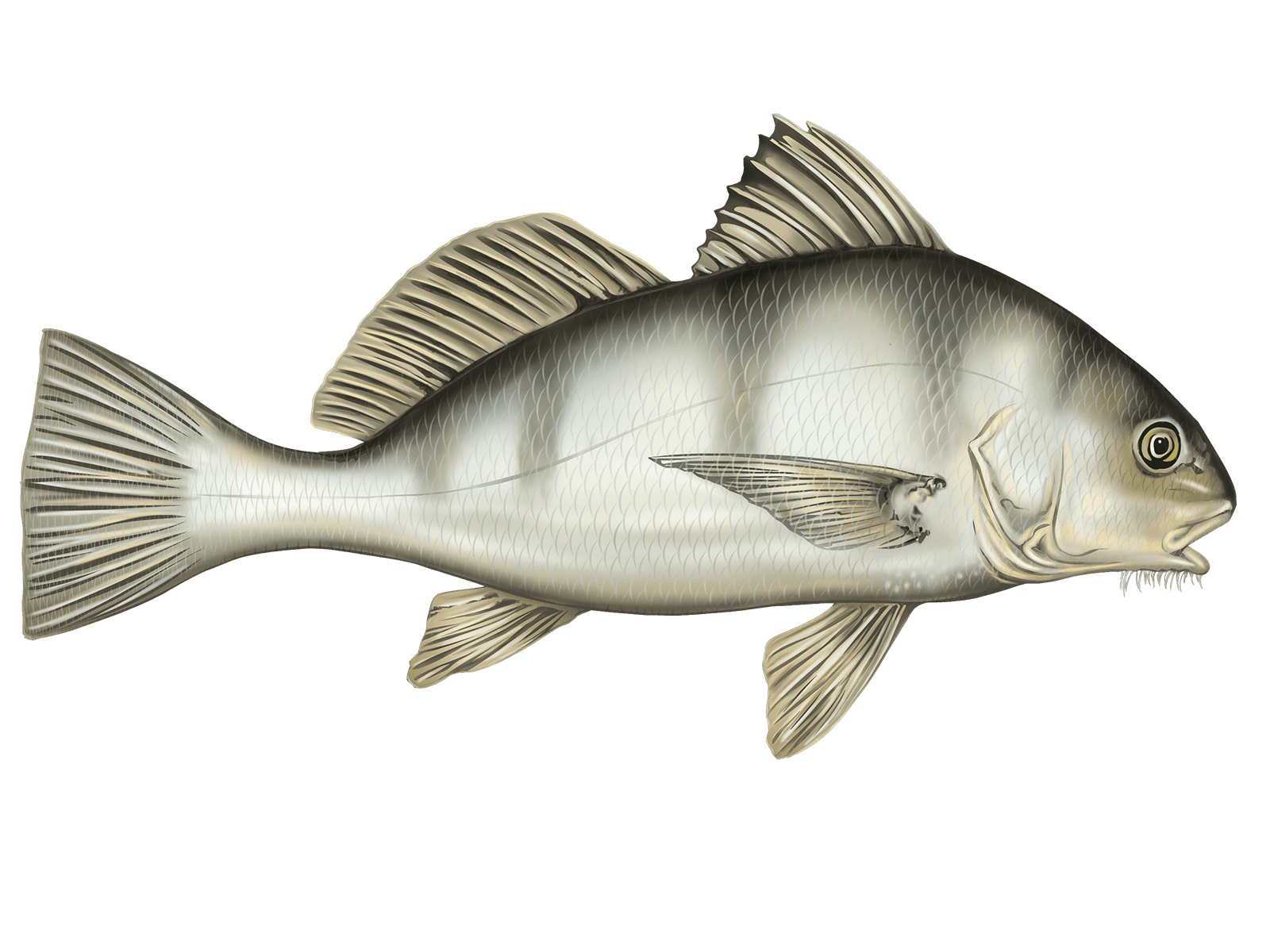
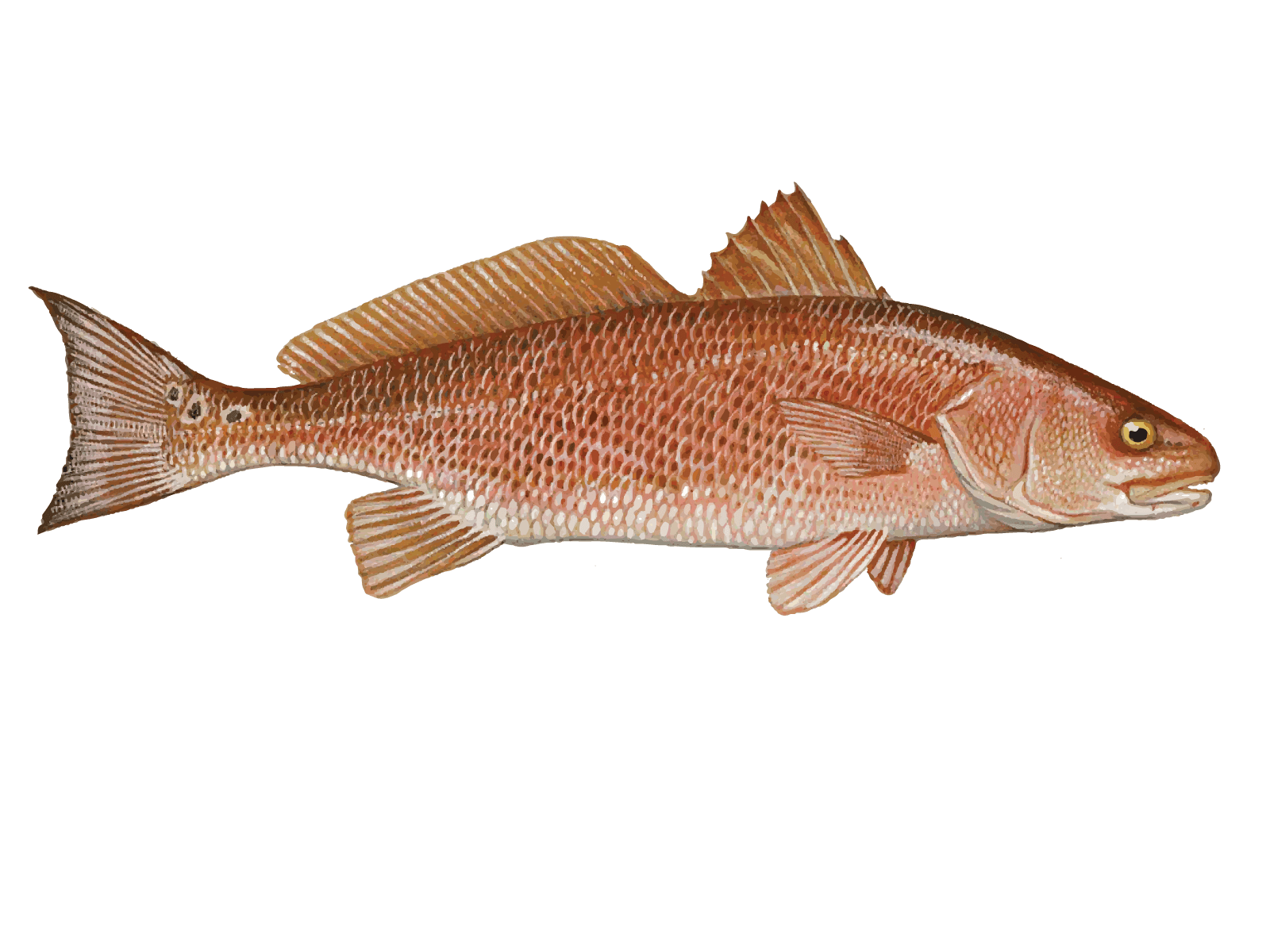
Join our Port Aransas Inshore Fishing Charter for an unforgettable Friday October on the water. Captain Larry Miller at Fishin' All The Time Guide Service specializes in targeting redfish, speckled trout, and black drum throughout the productive waters around Port Aransas. Our 5-hour morning trips are perfect for anglers looking to experience Texas inshore fishing at its finest. The 24' Haynie boat provides a stable, comfortable platform for drift fishing and casting soft plastics across productive grass flats and channels. Whether you're an experienced angler or just getting started, these guided trips are tailored to provide an authentic Texas fishing experience with all equipment provided. October brings excellent fishing conditions in the Aransas Pass area—book your spot today!
Fishing Charter with Larry Miller – Rates & Booking
Captain Larry Miller of Fishin' All The Time Guide Service on Friday October offers a 5-hour morning trip aboard his well-equipped 24' Haynie boat. This Port Aransas Inshore Fishing Charter for Redfish, Trout, and Black Drum is designed for two anglers but can accommodate up to three additional guests. All fishing gear is included—you just need to bring your fishing license, snacks, and drinks. The charter focuses on productive local fishing spots around Aransas Pass and Rockport waters, perfect for both beginners and experienced anglers alike. Optional pickup from Fisherman's Wharf in Port Aransas is available for a small fee. Note that deposits are non-refundable.
Highlights of Port Aransas Inshore Fishing Charter for Redfish, Trout, and Black Drum
This inshore fishing adventure takes you to some of Port Aransas's most productive fishing grounds. The 24' Haynie boat is perfectly suited for navigating the flats and channels where redfish, speckled trout, and black drum thrive. Captain Larry employs various techniques including drift fishing, bottom fishing, and casting with soft plastics to maximize your chances of success.
The morning bite is typically strong in these waters, especially during the fall months when fish are actively feeding. The variety of structure and grass flats around Port Aransas creates the perfect habitat for multiple species, giving you plenty of opportunities to fill the cooler. With Captain Larry's local knowledge and years of experience, you'll be put in prime position to catch quality fish throughout your charter.
Local Tips & Conditions
Port Aransas offers excellent inshore fishing throughout the year, with fall being particularly productive for redfish and speckled trout. The area features a mix of grass flats, channels, and structure that hold fish in various conditions. Morning trips typically provide the most consistent action, especially during warmer months when fish are most active early in the day before the water heats up.
Weather patterns can change quickly in this part of Texas, but Captain Larry monitors conditions closely to ensure a safe and productive trip. The protected waters around Port Aransas often remain fishable even when offshore areas might be rough. Water clarity is key for sight fishing, while slightly murky conditions can actually improve the bite for certain species like redfish. When planning your trip, consider that fall and spring generally offer the most consistent fishing, though quality catches are possible year-round.
Plan Your Fishing Charter Day
Your charter includes all necessary fishing equipment, tackle, bait, and ice for your catch. The 24' Haynie boat comfortably accommodates two anglers with room for up to three additional guests if needed. Trips typically begin early morning to capitalize on the best bite, so plan to arrive at least 15 minutes before your scheduled departure time.
For your comfort, bring sun protection, weather-appropriate clothing, snacks, and drinks. Don't forget your Texas fishing license with a saltwater stamp, which is required for all anglers (these can be purchased online or at local tackle shops). Captain Larry will clean and bag your catch at the end of the trip, so you'll have fresh fish ready for the dinner table. Remember that weather conditions can change, so it's always good to check in the day before your scheduled trip.
Fishing in Rockport, Texas: Shorthead Redhorse
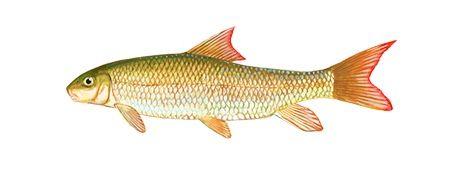
The Shorthead Redhorse (Moxostoma macrolepidotum) is a distinctive freshwater fish belonging to the Catostomidae family within the order Cypriniformes. While not typically targeted by anglers in Pleasanton waters, these fish have unique characteristics that make them interesting to encounter during October fishing trips.
Shorthead Redhorse Overview
The Shorthead Redhorse is a bottom-dwelling sucker fish with a slender body, downward-facing mouth, and distinctive reddish-orange fins. While not considered a primary gamefish, they can provide an interesting catch for anglers fishing in freshwater river systems throughout central and eastern North America.
Shorthead Redhorse Habitat and Distribution
These fish typically inhabit clear, flowing rivers and streams with rocky or gravelly substrates. They can also be found in lakes, particularly near tributary mouths. In Texas waters around Pleasanton, they may be found in the larger river systems and their tributaries, especially in areas with moderate current and clean gravel or rocky bottoms.
Shorthead Redhorse Size and Weight
Shorthead Redhorse typically range from 9 to 30 inches in length and weigh between 1 and 5 pounds. Average specimens caught by anglers are usually in the 12-18 inch range, though larger individuals can be encountered in optimal habitat conditions.
Shorthead Redhorse Diet and Behavior
These fish are primarily bottom feeders, using their fleshy, downward-pointing mouths to suck up small invertebrates, insect larvae, mollusks, and plant material from river and lake bottoms. They often feed in small groups, moving methodically over productive areas. Their feeding activity tends to increase during dawn and dusk periods.
Shorthead Redhorse Spawning Season
Spawning occurs in spring when water temperatures reach approximately 50-65°F, typically April through May in Texas waters. During this time, they migrate upstream to shallow, fast-flowing riffles with clean gravel bottoms. Multiple males will often attend a single female during the spawning process, creating visible surface disturbances in shallow water.
Shorthead Redhorse Fishing Techniques
While not typically targeted specifically, Shorthead Redhorse are occasionally caught by anglers fishing for other species. Small hooks baited with worms, grubs, or small pieces of nightcrawler fished near the bottom can be effective. Light spinning tackle with 4-8 pound test line works well. In October around Pleasanton, focus on deeper pools below riffles where these fish often congregate as water temperatures begin to cool.
Shorthead Redhorse Is It Good to Eat?
Shorthead Redhorse are edible but not widely pursued as food fish. They have a mild flavor but contain numerous small bones that make filleting challenging. Those who do eat them often smoke or pressure cook them to soften the bones. Their white, flaky flesh is relatively low in fat and provides good protein, though most anglers practice catch-and-release with this species.
Shorthead Redhorse Frequently Asked Questions
Q: What is the best bait for Shorthead Redhorse?
A: Small worms, red worms, maggots, or small pieces of nightcrawler fished on a small hook (#8-12) near the bottom typically work best. A simple split-shot rig with minimal weight allows natural presentation in current.
Q: Where can I find Shorthead Redhorse near Pleasanton?
A: Look for them in local rivers with moderate current, particularly in deeper pools below riffles or runs. They prefer clean water with rocky or gravelly bottoms and are often found near tributary mouths or in deeper channels.
Q: Is Shorthead Redhorse good to eat?
A: While edible with a mild flavor, they're not commonly sought as table fare due to numerous small bones. Those who do eat them typically smoke or pressure cook them to make the bones more manageable.
Q: When is the best time to catch Shorthead Redhorse?
A: Spring, particularly during their spawning runs in April and May, offers the best opportunity. However, they can be caught year-round, with early morning and evening typically providing better action. In October, focus on deeper holding areas as fish prepare for winter.
Q: Do Shorthead Redhorse fight well when hooked?
A: While not known for aerial displays, they do provide a surprisingly strong, dogged fight on light tackle. Their body shape allows them to use current effectively, making them feel larger than they actually are.
Q: Are Shorthead Redhorse protected by any fishing regulations?
A: In most areas, Shorthead Redhorse fall under general rough fish regulations. Always check local Texas fishing regulations before targeting or keeping any fish species, as rules may change seasonally or by location.
More species you can explore on this trip
Fishin' All The Time Guide Service Available Trips
Other customer memories from this trip
24' Haynie